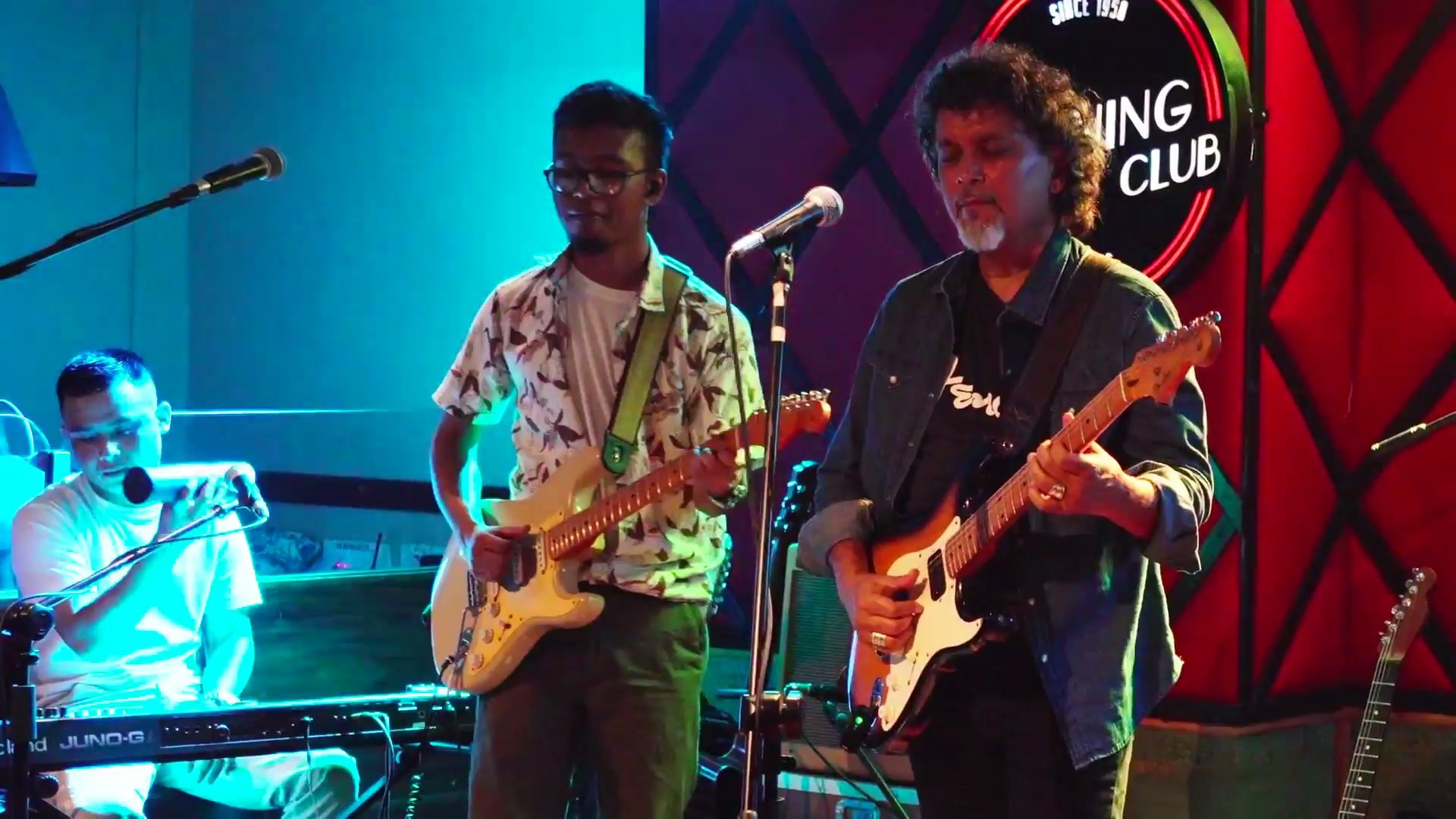

Every people’s movement has its moments of poetic and literary inspiration, and the Telangana agitation is no exception. Indeed, the poets and singers have not only lent strength to the movement but have also taken Telugu literature into new directions.

BY K SRINIVAS

Cultural identity formed by customs, traditions, practices and lifestyles bring an assertive element into the political struggle of a particular community. It gains strength from history and common memory. Anchoring oneself to history gives an insecure individual or community a sense of belonging and hope for the future.

For instance, the Indian national movement and the Andhra nationalist movement (andhrodyamamu) both had strong cultural components. Similarly, the Telangana renaissance during the first decades of 20th century had an overwhelming cultural expression.

Indian identity was constructed in such a way that India had a great golden era in early history and a dark period in the mediaeval centuries. Indian identity became about reviving past glory. And the Andhras of Madras Presidency found their own icons and inspired themselves with stories of the great Vijayanagara Empire and its galaxy of poets.
And then, the Telangana of the Nizam’s state woke into the modern era trying to find its own history. During the Nizam’s rule, Telangana was a Telugu-speaking area in a multi-lingual state facing neglect and denigration.

Interestingly, this struggle was essentially based on language, while the struggles in post-independence and post-unification period have mostly been about regional autonomy. As a geographical area, Telangana wants to be a separate administrative unit. As a cultural entity, it is searching for its own idiom.

The movement which erupted to achieve these goals tried to create expressions that were unique, distinct and geo-culturally specific. Though the definition of regional identities is still evolving, a working explanation can be given to the phrase “regional identity”—as a construct of geo-specific and cultural expression that disowns and rejects previous identity, which has surfaced or resurfaced particularly during the last two decades.

These identities evolved or continued because language-based identities failed to unify the speakers of a particular language. In essence, all newly surfaced identities are born of the failures of previous identities.

Related Posts

Pilgrims,places and the abodes of gods
A touch of Iberia and the Jinn keeper
Master of light  and shadows
4 April at 06 : 43 AM

Post Your Comment


Name *
Mail *
Website
Comments
Captcha
CAPTCHA Image

  • New Articles
  • MOST VISITED

March of the pensioners

Posted on 7 May, 2013 in Reportage

THE MARUTI WAY

Posted in Reportage - 219,175 views

Kashmir: From Sufi to Salafi

Posted in Reportage - 15,803 views

Gift This Magazine

4 May 2013 at 04 : 32 AM

Wet dreams of ambition

Posted by in Edit

This is the worst of times; it is also the best of times. The government seems to be in indefinite freefall and the economy is now in synch with it. As the construction sector ...

Read more

8 February 2012 at 10 : 32 AM

A few good doctors

Posted by in Web Specials

In rural Chhattisgarh, haunted by poverty and fragile healthcare, a 55-year-old man weighs only 28kg; an eight-year-old boy will die of rabies because his labourer parents work ...

Read more