Fiction
by Saurav Kumar
Jun 30, 2024
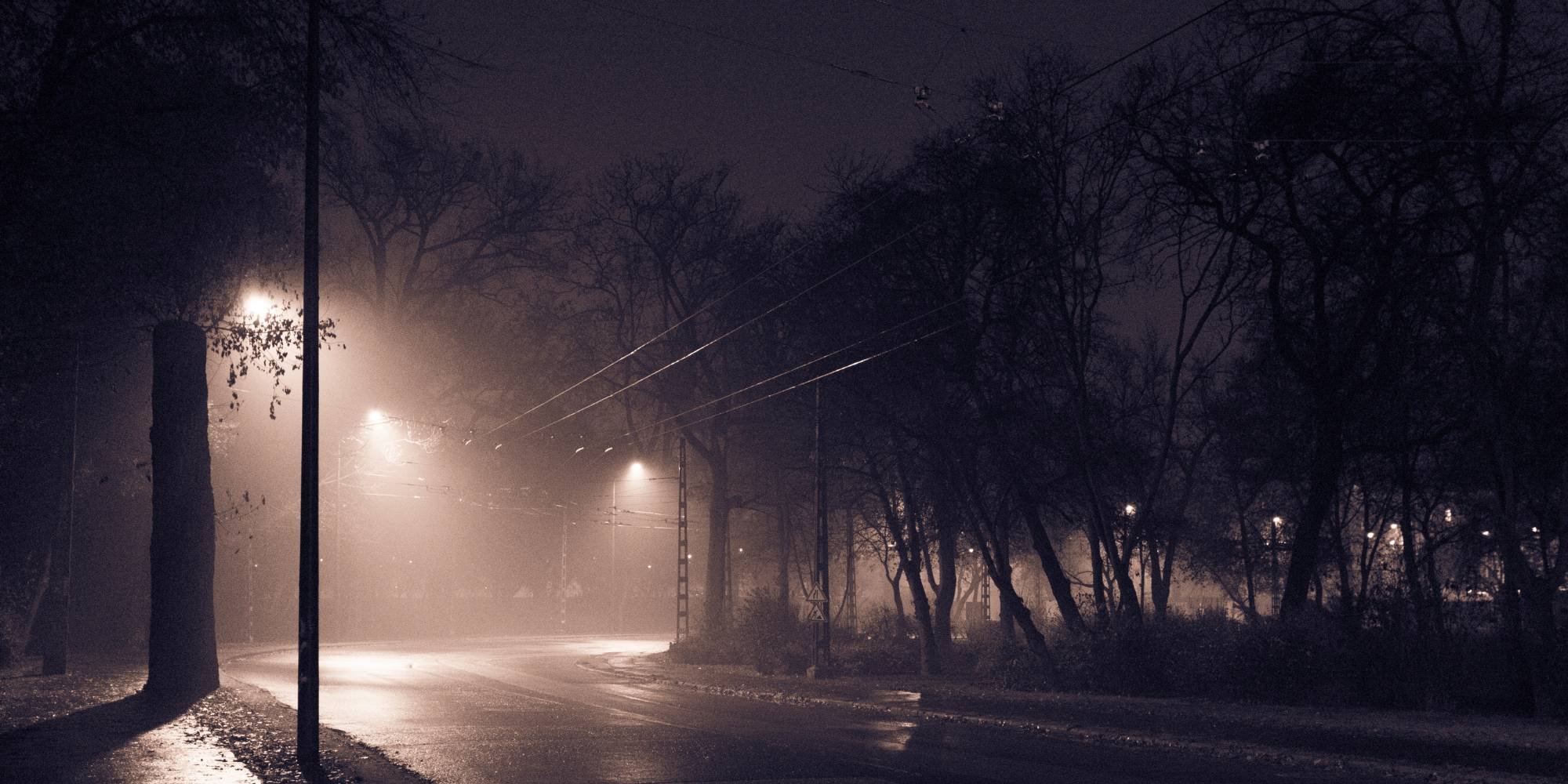
He saw the building daily; it reminded him of dead dreams—his and those of others. To see his office building was to accept defeat. It wasn’t any uglier than thousands others in Chennai, but it was the only one he had had to suffer every day for the past twenty years.
Great architecture can inspire, they say. What message then did the Branch Office No. 8 of Naya Bharat Insurance Company proclaim? To him, it spoke in only one tongue: despair. Its dirty brown paint gave it an unfinished look, its rows of windows set inside deep parapets screamed of sadness. The stacks of air-conditioners atop them, water dripping, and stubborn roots of peepal trees that had sprung from the walls, all pointed to a special kind of joylessness. Every day, he was deflated even before he entered his office.
He stopped for a moment at the entrance, where the black sliding grill had been pushed to one side, and the dustbin next to it contained, even in the opening hours, a good deal of trash. He often thought it was meant as a warning for visitors.
He took a breath as he crossed the threshold. The big room inside housed only six people, and contained cabins for the manager and the cashier. He and the rest of his colleagues were clustered at the right end of the hall, their desks containing ancient computers with small screens. At the far back, a standing desk ran along the walls, a place for insurance brokers to use. It used to be a thriving, noisy place once, fed by the spirit of hustle.
It was a work of art in his mind, a fleeting moment of genius that he conjured every day. It was a throwback to what could have been, to the filmmaker he didn’t become.
Public service messages and copies of various rules and regulations were a hodgepodge on the notice boards and walls. Motivational quotes like “Do your duty as worship and you will find joy and happiness”, and his favourite, “Customer is God, we exist for him”, added to the atmosphere of the place. Announcements of last year’s Diwali party, which he had skipped, and the Hindi fortnight occupied pride of place in colour print-outs. Last year’s word of the fortnight by a company-wide popular vote was a tie between भयादोहन (blackmail) and अकृत और शून्य (null and void). Personally, he preferred लचीला(flexible) which had a sexual ring to it, he thought.
As always, he was the first in. A few moments alone in the big hall was his first moment of quiet and peace in the day. It wouldn’t last for long, but then as a middle-aged man of less-than middling prospects, he would take it. These few minutes were the only time he was all alone during the day. It was a pity they had banned smoking inside the office.
Every day he framed the same shot in his mind, from different angles from the door, with different cameras and lenses, and in all them it was always perfect: a man sitting alone in a big room with decrepit furniture; its windows covered in undusted, broken blinds; its white walls darkened by neglect; smoke rings rising slowly one after the other, spinning like tops running out of steam. It was a work of art in his mind, a fleeting moment of genius that he conjured every day. It was a throwback to what could have been, to the filmmaker he didn’t become.
Soon Mrs. Ganpat arrived, carrying a giant handbag and lunchbox that looked bigger than it needed to be. She smelled of sandalwood and puja smoke, and wore a dull pink sari with a blouse that was smaller than it should have been. He liked her, because she was always in a foul mood, treated colleagues and customers with disdain, and shouted on the phone to various people who had the audacity to call her. She barely nodded at him as she sat down on her chair.
Her presence in the office, though, did provide brief shocks of life to this moribund place.
The others trooped in within minutes: the fat, bald guy who had hair coming out his ears and the big mole on his cheek; the timid woman who was the cashier, and who preferred to sit the whole day in the cashier’s cabin, shouting every now and then to clarify some insignificant thing or other; the manager, dressed more formally than the others, followed by the peon carrying his briefcase, who glanced at the rest of his staff and proceeded straight to his room where he would stay confined for the rest of the day; and finally she entered.
The newest hire and the youngest as well, she inspired jealousy and contempt with equal measure. She laughed easily, smiled naturally, hummed songs often, and dressed in a way that caught everyone’s attention. The cashier often gave her the silent treatment, and Mrs. Ganpat would often tell the younger woman that her bra straps were showing even when half her own breasts were bobbing outside the blouse. The fat, bald man would lecture her about investing money. The manager often wanted her inside his cabin, where to everyone’s mystery, he would launch into long monologues on nothing in particular. It was a wasted performance, like a peacock preening before a hen.
He was the only one who had no special routine with her: he didn’t mind the bra straps, wasn’t interested in her investments; and didn’t believe in monologues. Her presence in the office, though, did provide brief shocks of life to this moribund place.
Many years ago, the insurance companies had decided that most parts of their jobs could be outsourced to other companies. There was no need to hire an army of people to make a hash of it, if the same could be contracted out. So claims were processed by third-parties, underwriting assessment was done by financial firms and a small team at the head office, and sales was subcontracted to agencies or individual brokers. Headcounts had dramatically decreased after this realisation, as fewer offices with skeleton staff were needed merely to have a brick-and-mortar presence.
Naya Bharat’s branch office no. 8, and its six employees were the last of the permanent staff. They didn’t have much to do, everything was after all outsourced to efficient contractors. They had to turn up, mark their time, expend their days, while away their lives, watch the clock move, the water cooler drip, the bulb flicker, files collect dust; collect salary, and encash the respectability the job provided. And treat the dozen or so customers who trundled up three flights of stairs every day as an unwelcome encumbrance.
Naya Bharat was such a dead kind of place. It existed in indifference. An anachronism from another time, a body without a soul, inhabited by people trapped in its morose comforts of soulless routine. Five people were required to sell one insurance policy: one to input the details, other to check them, the third to approve it, the fourth to sign it, and the fifth was the cashier. They made a small production out of it, rare moments of lazy activity punctuating day after day of masterly inactivity. He was the third cog in this wheel of redundancy, and always tried to cite some obscure rule to throw a spanner in the works. It would kickstart periods of infrequent debate, where everyone would weigh in on the interpretation of rules which were beyond their pay grade.
Lunch hour was always awkward, as in such a small group it wasn’t possible to dine alone and in silence. It was a time of forced warmth and harmless conversation, and sharing food—all things he liked to avoid. He would step out to eat, making some excuse or the other. They would offer him food, Mrs. Ganpat more than others, and he would decline unless she had made her bitter chocolate cake. No one did bitter better than Mrs. Ganpat.
After lunch, the work day ended. The fat, bald guy usually shut down the computer and started watching memes on his phone, cash operations formally ceased and the cashier pretended to reconcile books, Mrs. Ganpat started browsing shopping sites, and he alternated between playing chess and reading erotica. The manager often left for meetings from which he seldom returned that day.
The only thing she had carried over from the video was the red lipstick.
One such day, in the hours after lunch, while reading something on Instagram, he discovered her secret. One of the soft porn accounts had a woman’s picture, draped in a thin dupatta, the fabric defining the contours of the body rather than covering it. He stopped swiping the screen. He had seen that dupatta, with the big purple flowers on it, somewhere. In fact, there it was, modestly covering the youngest employee in their office, who was drinking water at the moment. While the face was partially hidden in the Instagram photo, there was no mistaking the slim, young, dark silhouette of the woman standing across the room from him. The algorithm, in its wisdom, had suggested this post to him.
He was taken aback. His first reaction was of disbelief. This can’t be, he thought. He scrolled through her account. There were photos and reels of her in the barest of clothes, bad music giving company to this grotesque production. In one video, she was on the terrace of a house where the bricks hadn’t been plastered, and she had stripped down to her underwear and was sucking a lollipop. In another, she was inside a room with green walls, cramped and disorganised, where she was dishing out her wares. Many of the posts ended with messages like “fil your desire”, “enjoy with girl” “make your dreams come tru”, and a phone number.
There were hundreds of posts, where only her eyes were blacked out in an attempt at anonymity. That couldn’t fool him, though. She was the most interesting creature in the office, minutely observed by everyone, the go-to young person for all queries relating to smartphones, computers, and social media. Just the other day she had told him of Snapchat and Telegram. Now on Instagram, he had found her Snapchat and Telegram numbers, calling which could take care of his desires and dreams.
A part of him was impressed by her boldness, another part was embarrassed by her crassness. This soft-spoken creature who made entries in the office registers had another, more exciting life, even a dangerous one. It dawned on him that he was too dispirited to seek thrills. His hobbies had been abandoned at the wayside of life; music no longer filled his existence, he rarely watched films anymore; and seldom completed a book he started. The only saving grace was that he could still run at the park near his house, and that he still enjoyed it. He hadn’t yet become one of those laughing club people, whose bellies moved more forcefully than their bellows sounded.
For the next couple of weeks, he observed her closely. He could see that she was often on the phone, always swiping, always scrolling. But this was an affliction of the masses, and as such nothing special. He started looking at her videos and correlating them to her demeanour in the office. The day she had posted a video of her twerking in boy shorts, was the day she had brought dhokla for everyone in the office. The only thing she had carried over from the video was the red lipstick.
He began to talk more and more to her. At first it was a few extra quips here and there, then smiles, then small sessions at the watercooler, and then messages on the phone—the ones that disappeared in a couple of minutes. Soon they had in-jokes and private eye rolls, and he started dabbing cologne every morning as he dressed for work. When he saw the office building now, he was less disappointed. He didn’t know what to make of all this. The company of a younger woman who smiled often felt good. He didn’t remember the last time his wife had smiled at him; he had forgotten what her laughter sounded like.
One day she sent him a photo she had just posted on Instagram: she was in a blue cocktail dress, tight at the chest and slit at the thighs. “U like it?” she asked. “Have to see it in real life,” he said. “Soon,” she replied with kissing emojis.
So far it had been harmless, now his thing with her had real possibilities of fun and deceit. He thought if he was another one of her marks, will she at some point flash a rate card. He decided to call the number on her instagram page. A few years ago, a colleague had been transferred and he had kept that man’s mobile number active as an extra one. He fished out the SIM card from his wallet, clumsily inserted it and called. A rude man with a guttural voice answered the phone.
“I got the number from Instagram. I am interested in the girl.”
“Which one?”
“The one on Instagram.”
“Which account?” “hottiesej4u”
“Ten thousand for two hours, you pay for the hotel. Anything bad happens I kill you. Give me a couple of dates, I will check with her and get back. Money in full, in cash to me. I will be outside of the hotel,” the gruff man said and hung up.
He was gripped with fear and excitement. There was that sinking feeling too. When she laughed at his jokes, was it real? Did she really get his wit? Did those emojis mean anything at all? Surely, she wasn’t playing with him? Also, what was he doing, a married man and father of two girls?
She asked him out for a movie. That day he looked at the clock in the office every five minutes. The evening was what he wanted, the day was a blur of anticipation. Even by the general standards of pointlessness that inhabited Naya Bharat, that day was especially severe. As much as he was looking forward to going out with her, it only served to show the ordinariness of his life before her. There was the daily grind of home and office, and both those places had stopped making him happy a long time ago. He loved his daughters though, they were the bolts of light in his dreary life
It was his wife that was the problem. A business-like relationship devoid of feeling, or even a smidgeon of casual affection, was what they had for many years now. He felt boxed in at home. Maybe that’s what being married was all about—year after year, day after day of slow suffocation. Evening at the movies with a young woman, on the other hand, the expectation of some secluded intimacy in a dark corner—it felt alive with potential. It had the thrill of the illicit around it.
The weather had changed by evening. Temperature had suddenly dropped and the breeze had disappeared. Dark clouds hung low. A storm was in the making. He took an auto to the theatre, not caring for once about being overcharged. The movie was supposed to be his choice, and he didn’t care about it either. He saw the big display boards showing the seats available, and he selected the one that had sold the least—–a sci-fi movie on the AI takeover of the world.
Then he waited. He saw other moviegoers and wondered what their stories were. He heard the loud conversations, the playful flirting of young people, the unblemished optimism of college groups, and the sneaky glances of couples afraid of being caught. And he waited. He had reached way too early, and had waited for long already, but there was no sign of her. The show was about to start. He tried calling, but her phone was switched off. Dead battery, he thought. It started to rain, thick, fat drops that soon turned into a downpour. She is stuck in the rain, he thought. Maybe he was stood up. The longer he waited, the less offended he felt. He was about to cross a line with her, not that it meant much to him, but maybe it was a good thing that she hadn’t turned up.
He thought of home, of his children sleeping in their room, food on the stove, the warm light on the hallway, the smell of vanilla from the diffuser, the big black and white photo of monsoon about to descend in Kerala that he had taken years ago, the can of film reel painted with the poster of Pyasa (The Unquenched), his favourite film, mounted above the dining table, and the many small, beautiful things his wife had placed on walls and corner tables.
He started walking back in the pouring rain. Somewhere in the middle he held up the tickets on his palms and watched the rain pulp it. Then he cried. He reached home soaking wet, a little broken, a little fixed.

Welcome back, Please enter your details

