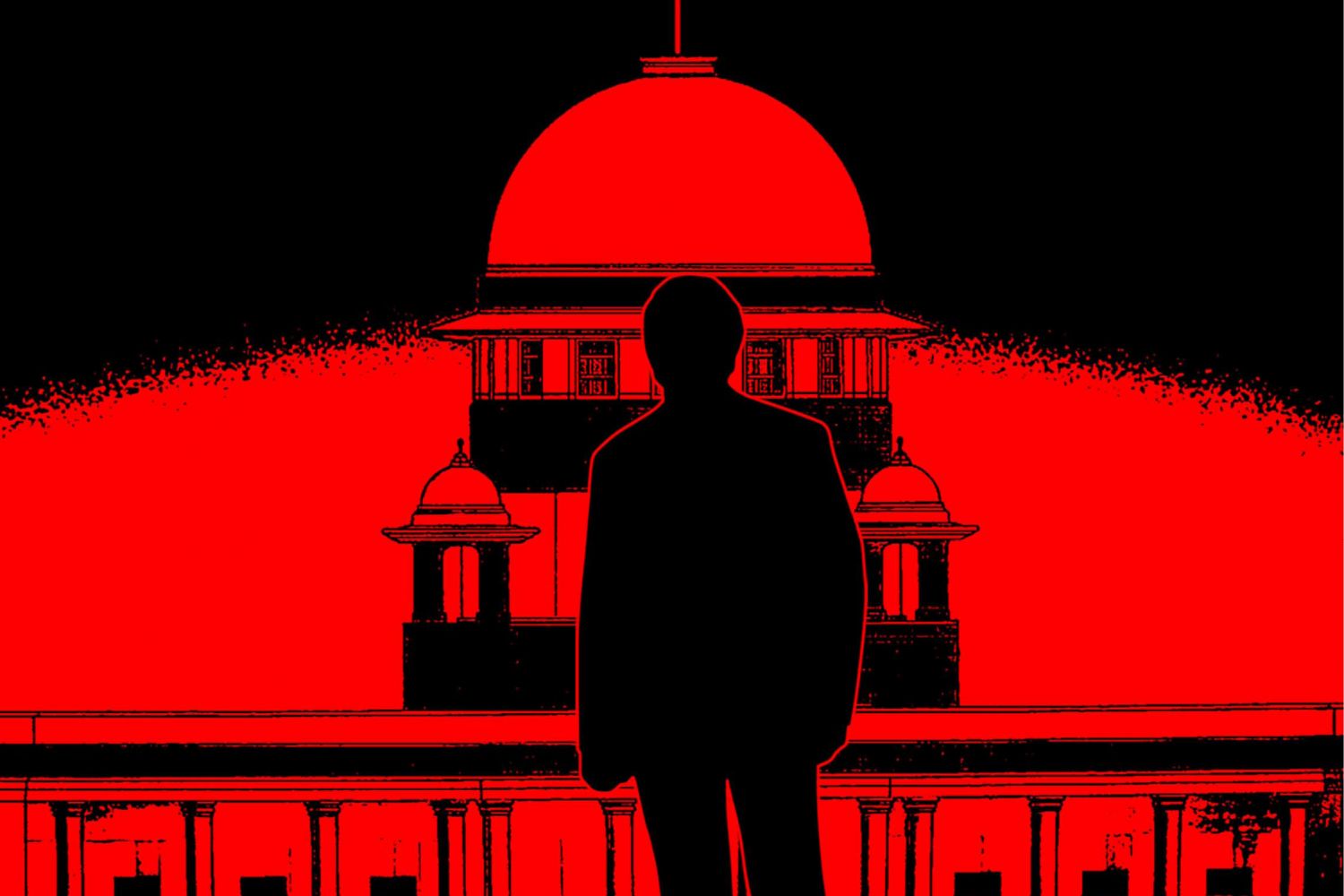
“ The freedom of press comes at price in Pakistan. In the last 10 years, 80 journalists have been killed because they were doing their jobs. The country is one of the most dangerous places to practise journalism in, codes written and unwritten test people every day.

BY SHAHZADA IRFAN AHMED

The Pakistani media has a come a long way over the years. From an industry comprising a handful of newspapers and a couple of news channels, of which two were state-owned, it now has close to 100 TV channels covering sports, local and international news, entertainment, religion, fashion, and so on.

The previous government and the incumbent can take credit for this growth and for freedom of expression. But the freedom has come at a cost. Though free to report on issues tabooed in the past it has to deal with the consequences of treading into dangerous zones.

There are pressures, unwritten codes, self-censorship policies, etc, to observe while reporting, editing and publishing or airing. The more adventurous have to be ready for punishment, which may even be death.

Imran Naeem, who runs the website journalismpakistan.com says: “The pace of journalism appeared laidback before the arrival of the many television channels about a decade ago. It is now in Grand Prix mode, which means a mad dash to be first.”

To this end, journalists must be where the news is in a flash and report, no matter how harsh or dangerous the conditions. There have been instances of journalists rushing to the scene of a bomb blast, only to lose their lives or be maimed in a second explosion.

Imran observes that more journalists have been killed, been injured or disappeared in Pakistan than any other country. “Those who live to tell the story may lose their jobs, face death threats, get beaten up or even framed for doing something they never did, from petty theft at the office to blasphemy, punishable by death.”

The pressures start inside the office, the outside threats showing up much later. First, journalists in Pakistan are not well paid. To make matters worse, salaries are routinely delayed, even in some big media houses.

Then there’s the extraordinary workload. There are organisations, according to Imran, where they have to work for 16 hours at a stretch when major events break. They are on call through the day, and night, just in case. Their contracts do not say this and they are not offered extra benefits for these duties.

Badar Alam, editor of Herald, Pakistan’s most prestigious English monthly, believes the foremost pressure on most journalists is the lack of job security and poor working conditions. A tiny privileged group of top anchorpersons and editors does enjoy pay, perks and privileges on par with any senior employee in a corporate organisation; most reporters and editorial staff work on contracts that are exploitative to say the least.

Over the last few years, media organizations, especially but not exclusively television channels, have cut editorial and reporting staff. They have had no legal recourse against the loss of jobs.

Talk of pressure? There’s so much that it’s hard to detail. In an increasingly intolerant society, editors have to think long and hard before publishing anything that relates to national security, politics and religion.

Religious sensitivities run high. Increasing ethnicity and ethno-centric politics are serious problems for the media. For example, in Karachi small groups compete on the basis of narrow sub-ethnic interests. A little carelessness or journalistic slant may spell disaster for a reporter. In such circumstances, journalists have to apply censor themselves to ensure they return home safely at the end of the day.

Sometimes, Imran observes, journalists face resistance from fellow professionals. He believes smear campaigns often rob defiant journalists of their integrity and no matter what they do they are never ever able to recover the name they once had.

Adnan Rehmat, executive director of Intermedia Pakistan, identifies another major pressure, professionalism – or rather the lack of it. Unlike in the medical and legal professions, there is no holy writ in the shape of a unified, consensual code that can serve as benchmark for what is kosher and what is not for a journalist.

Related Posts

Pilgrims,places and the abodes of gods
A touch of Iberia and the Jinn keeper
Master of light  and shadows
4 April at 06 : 43 AM

Post Your Comment


Name *
Mail *
Website
Comments
Captcha
CAPTCHA Image

  • New Articles
  • MOST VISITED

March of the pensioners

Posted on 7 May, 2013 in Reportage

THE MARUTI WAY

Posted in Reportage - 218,846 views

Kashmir: From Sufi to Salafi

Posted in Reportage - 15,647 views

Gift This Magazine

4 May 2013 at 04 : 32 AM

Wet dreams of ambition

Posted by in Edit

This is the worst of times; it is also the best of times. The government seems to be in indefinite freefall and the economy is now in synch with it. As the construction sector ...

Read more

8 February 2012 at 10 : 32 AM

A few good doctors

Posted by in Web Specials

In rural Chhattisgarh, haunted by poverty and fragile healthcare, a 55-year-old man weighs only 28kg; an eight-year-old boy will die of rabies because his labourer parents work ...

Read more